
Statement as your trusted jeweller on the SRF report: ‘Russian diamonds – are Swiss purchases helping to finance the war?’ Kassensturz broadcast on 12 September 2023

Background information: A Kassensturz reporter visits jewellery shops on Zurich’s Bahnhofstrasse and expresses interest in diamond jewellery. Kassensturz wanted to know from Switzerland’s largest jewellery companies: Do you also sell diamonds from Russia?
This report could certainly be described as slightly biased, which is of course somewhat in keeping with the current zeitgeist. However, it would be fairer to a righteous industry if the reporter’s statements had been researched more thoroughly and in greater detail. For this reason, we feel obliged to provide you with a brief explanation.
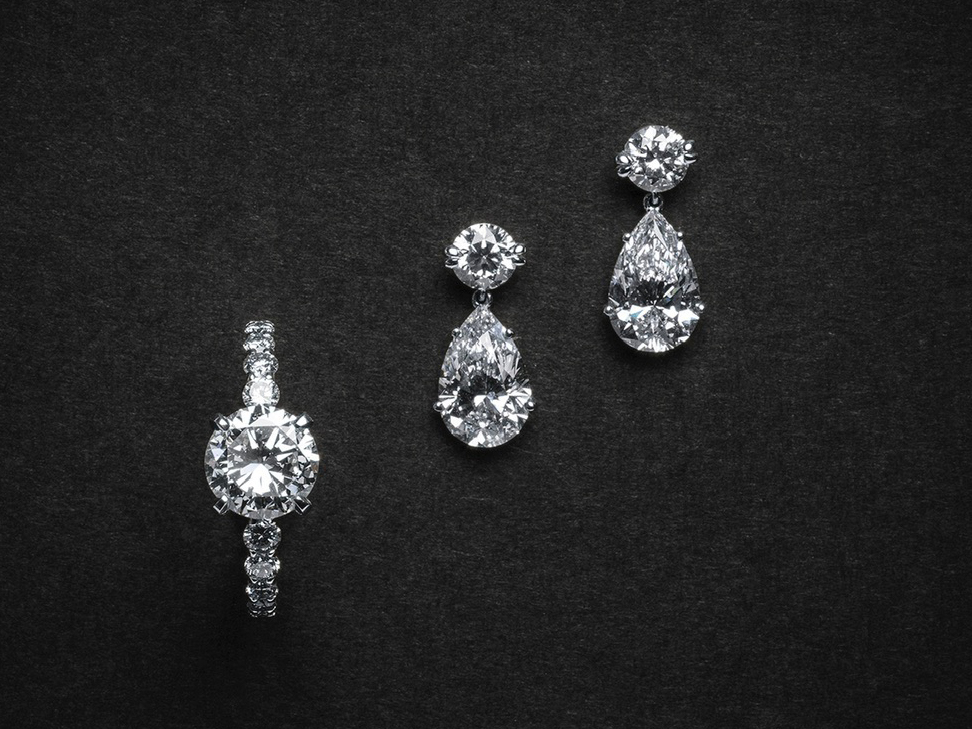
First of all, we would like to point out that yes, we still have diamonds of Russian origin in our warehouse. Until the invasion of Ukraine, Russia was a legitimate and important supplier of many raw materials. Since diamonds are not sold on a daily basis and jewellers build up forward-looking stocks depending on market prices and/or exchange rates against the USD (in some cases, stocks are built up for several years), diamonds from Russia are still in our inventories today. This is by no means ‘remarkable,’ as highlighted in the article. These are simply legitimately acquired diamonds.
It is true that our industry is unfortunately not populated solely by angels. However, the vast majority of our colleagues are sincere and honest people with many years of experience. We are, of course, happy to accept criticism. But we find it very disturbing that a centuries-old profession is now regularly ‘stigmatised’, which in no way does justice to our profession.
Kobler Zug and the path to absolute transparency
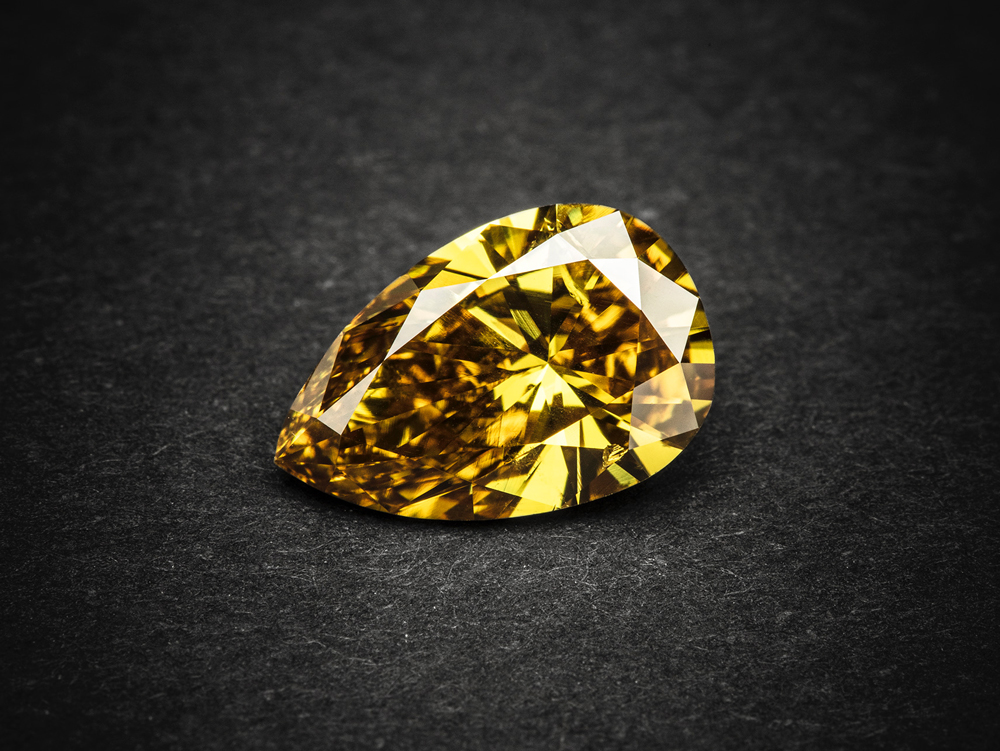
The origin of larger diamonds with rare colour gradations is usually declared. Here is a special piece of jewellery from our range – a 3.35ct pear-shaped diamond, colour fancy vivid deep yellow from Australia.
At Kobler Zug, we, like our colleagues, try to do everything possible to ensure the transparency of our supply chains.
We currently consider the so-called ‘blockchain solution’, such as the approach taken by Provenance Proof, to be the most promising and solution-oriented approach. What is being offered to our industry here is innovative and absolutely commendable.
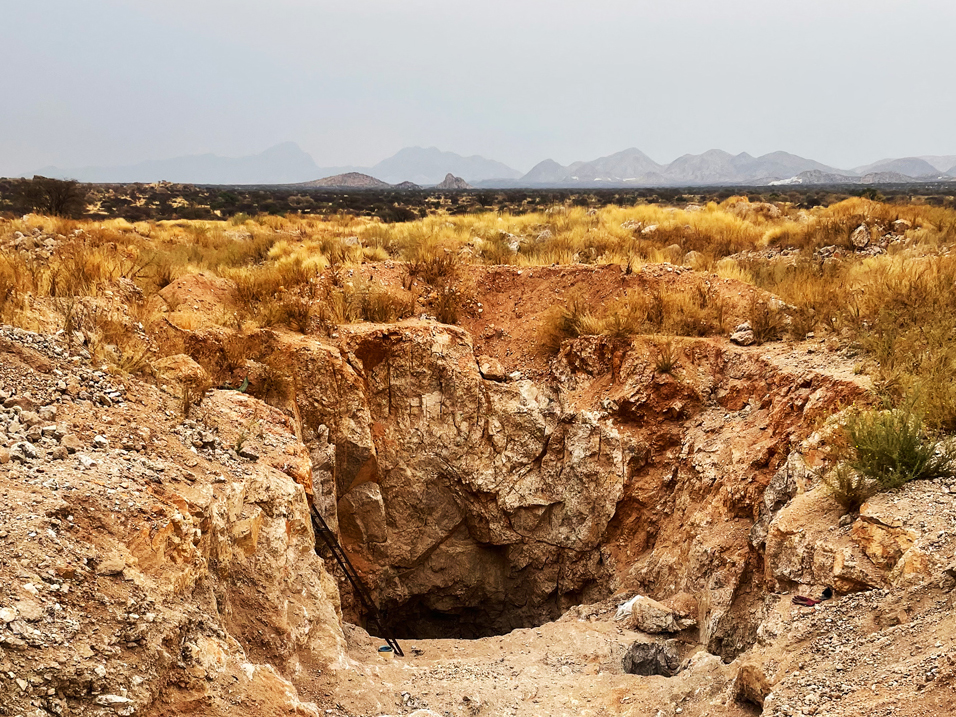
For us at Kobler Zug, who maintain direct contacts in the mining areas, this is a very helpful approach, as it allows us to have our trade routes certified by a trustworthy, independent third party, for example, for our own stones from the mine to the stone cutter and finally to us.
The ‘jeweller you trust’ still exists. Nevertheless, we clearly see the need for neutral, independent confirmation, such as that offered by ‘Provenance Proof’ – as an additional certificate to the scientific appraisal of the gemstones.
Even for our gemstones, whose journey we know exactly from the mine to our studio and can trace back, and even accompany, we are in the process of implementing a solution that is 100% satisfactory for our customers.
Real diamonds versus synthetic diamonds
The conclusion of the SRF broadcast on 12 September 2023 that synthetic diamonds are ‘good’ and real diamonds are ‘bad’ is relatively short-lived, precisely because of the intensive research carried out by these journalists.
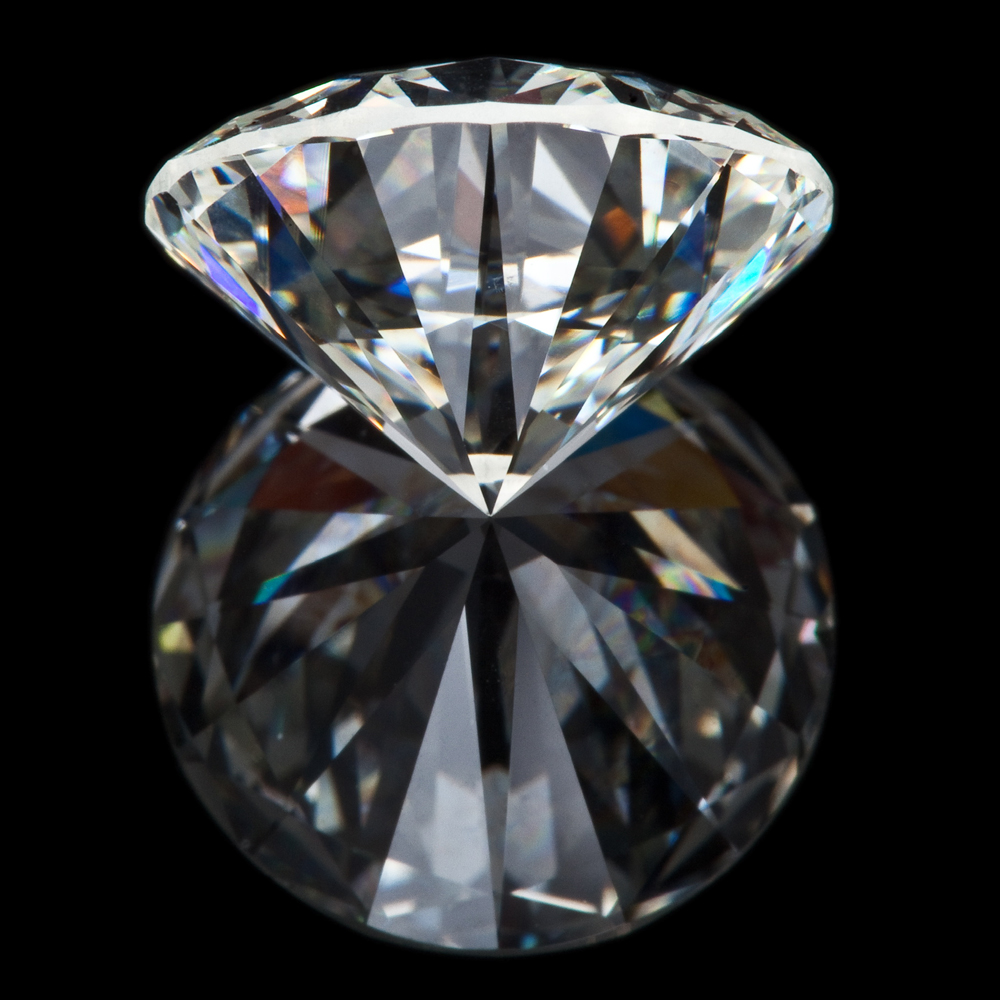
Alarming! There is virtually no difference between synthetic diamonds and genuine natural diamonds. Only the certificate, together with the proof of purchase from your trusted jeweller, can confirm the authenticity of a natural diamond.
High value in the smallest of spaces
Genuine diamonds have offered a very high degree of price stability for decades. Our trade attaches great importance to not selling stones from conflict areas (Kimberly Process). There is no other luxury product that involves more independent innovation and experience. Diamonds enjoy their own exclusive status within gemstone research, completely independent of the industry. Scientific institutes such as the GIA or the HRD ultimately determine the grading of a diamond in a neutral manner, rather than the producer, dealer or jeweller.
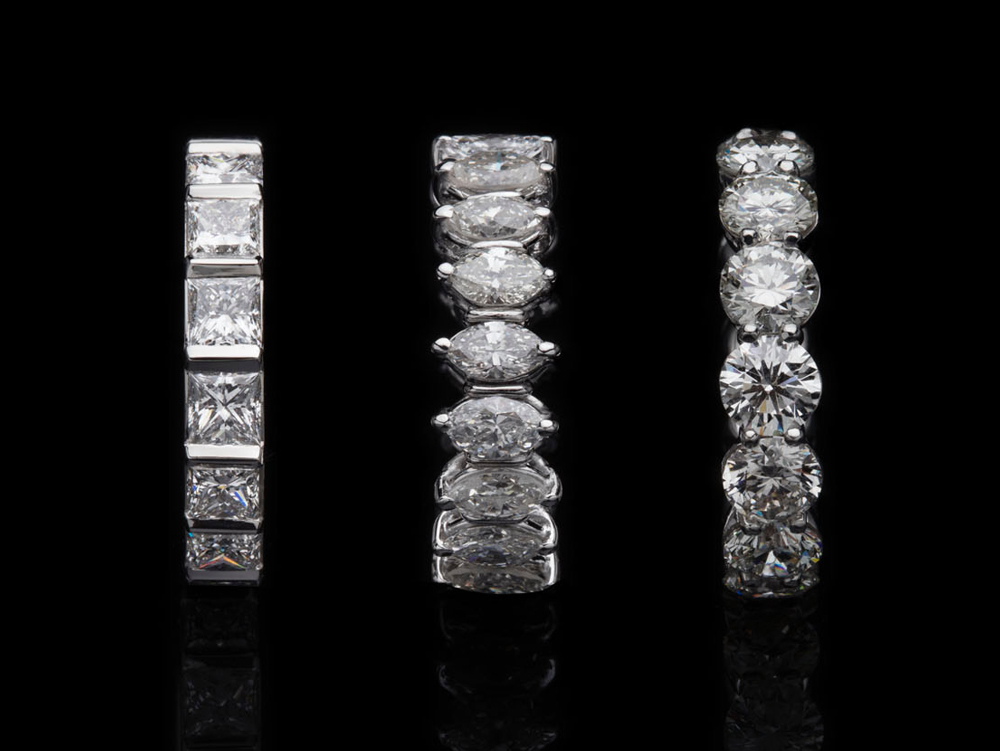
However, investments in science to identify and grade diamonds are also responsible for the fact that more and more synthetic diamonds are being produced and offered for sale today. Within just a few years, the production of synthetic diamonds for the jewellery industry has increased so dramatically that prices for this product have plummeted.
Only genuine diamonds at Kobler Zug
This makes it all the more important for us as jewellers to be able to distinguish real diamonds from synthetic ones and to certify them. As with coloured gemstones, we do not use synthetic or glass stones in our jewellery.
We are amazed that the same energy is being expended today as was expended by the earth when diamonds were formed naturally.
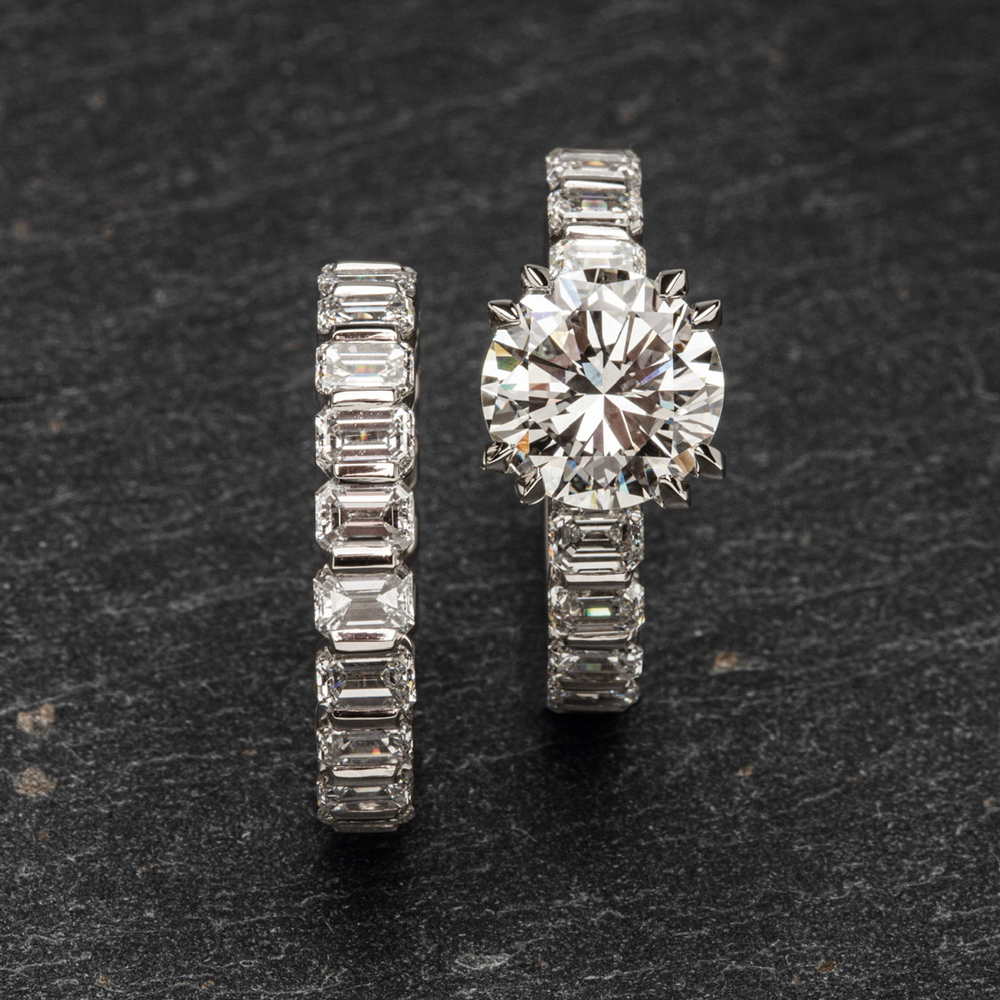
For these reasons, it is very important to us to provide you, as a valued customer of Kobler Zug, with transparent advice at all times.
You can rest assured that we are happy to share our knowledge with you and are always available to answer any questions you may have openly and honestly.
We hope that our explanations have given you a little more depth and understanding, and perhaps even sparked more interest in you as a customer. We would be delighted to tell you more about this in a personal meeting at our offices in Zug!
Yours sincerely, Andreas and Bruno Kobler